

Blog > How to Price Your Home Right in Today's Suffolk Market
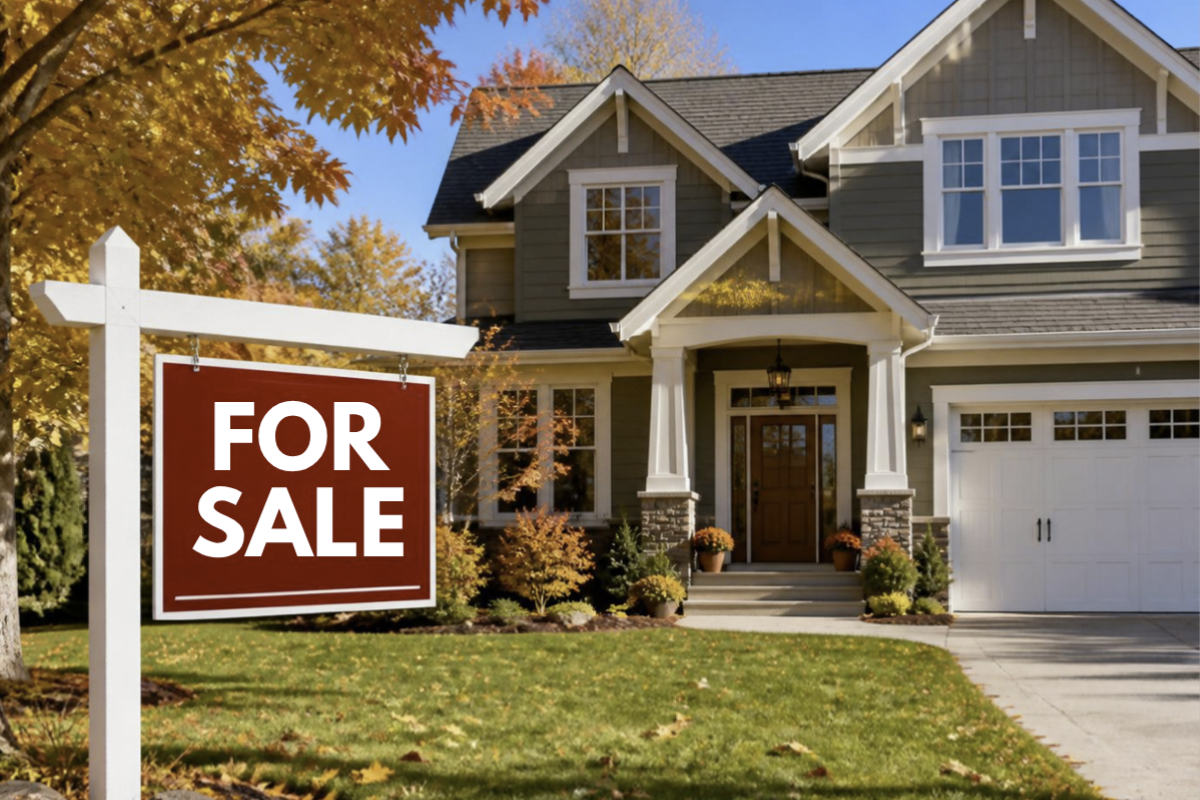
Of all the decisions you'll make when selling your home, pricing is the one with the biggest consequences — and the one homeowners get the most conflicting advice about.
Price too high, and your home sits on the market, picks up fewer showings, and often ends up selling for less than it would have if you'd priced it right from the start. Price too low, and you leave money on the table. There's a real strategy behind getting it right, and it has almost nothing to do with what you paid for the home, what you've put into it, or what you feel it's worth.
It starts with a real comparative market analysis
A proper CMA (comparative market analysis) looks at recently sold homes similar to yours — not just active listings, which reflect what sellers hope to get, not what buyers are actually willing to pay. It accounts for square footage, condition, upgrades, lot size, and location down to the neighborhood or even the street. This is where an agent who knows Suffolk and the surrounding Hampton Roads market well makes a real difference — pricing strategy is hyper-local.
Emotional value isn't market value
This is the hardest part of pricing for most homeowners to hear. The kitchen renovation you loved, the sentimental attachment to the house where you raised your kids — buyers don't pay for any of that. They pay for what comparable homes in your area have actually sold for. A good agent's job is to give you an honest, data-backed number, not just tell you what you want to hear.
Consider how buyers actually search
Most buyers filter listings by price range in $25,000 or $50,000 increments. A home priced at $402,000 might get seen by far fewer buyers than one priced at $399,900, simply because of how search filters work. This kind of pricing psychology is a small thing that can make a real difference in how many people even see your listing.
Watch how the market responds — and be ready to adjust
Once your home is listed, the market will tell you pretty quickly whether you priced it right. Strong showing activity and offers in the first couple of weeks usually mean you nailed it. A slow trickle of showings and no offers is a signal worth acting on, not ignoring.
Frequently Asked Questions
Q: Should I price my home higher to leave room for negotiation?
A: This is one of the most common pricing mistakes I see. Overpricing tends to scare off serious buyers before they even schedule a showing, rather than giving you negotiating room. Pricing accurately from day one almost always performs better.
Q: How do you determine the right price for my home?
A: I pull recent comparable sales in your specific neighborhood, adjust for your home's condition and upgrades, and factor in current buyer demand and how quickly similar homes are moving. It's a data-driven process, tailored to your property.
Q: What if I don't need to sell right away — can I just try a higher price first?
A: You can, but it comes with a real trade-off. Homes that sit on the market and require a price drop later often carry a stigma with buyers, who wonder what's wrong with it. Pricing right the first time is almost always the stronger strategy.
If you're thinking about listing your home and want an honest, data-backed read on what it's actually worth in today's market, I'd love to put together a pricing strategy with you. Reach out and let's talk through your options.
GET MORE INFORMATION

Tiffany Mosby
Realtor & Area Leader VA License # 0225251677
Realtor & Area Leader VA License # 0225251677