

Blog > A Newcomer's Guide to Suffolk: What to Know Before You Move Here
I talk to a lot of people relocating to Hampton Roads, often for military assignments or new jobs, who are looking at Suffolk for the first time. Here's the practical rundown I usually give them.
Where Suffolk sits
Suffolk is the largest city by land area in Virginia, stretching from more suburban neighborhoods near the Nansemond River out to open farmland to the west. That range means Suffolk can look very different depending on which part of the city you're in — some areas feel like classic suburbs, others feel genuinely rural.
Commuting from Suffolk
One of the biggest draws of Suffolk is that it sits within reasonable commuting distance of Norfolk, Chesapeake, Portsmouth, and the Naval Station Norfolk area, while generally offering more home for your money than those closer-in cities. Commute times vary a lot depending on which part of Suffolk you choose and which direction you're headed, so it's worth mapping your actual commute before you commit to a neighborhood.
A genuine mix of lifestyles
Suffolk isn't just one kind of place. You'll find newer planned communities with amenities, established in-town neighborhoods close to downtown Suffolk, and larger-lot rural properties on the western side of the city. That range is part of what makes it a good fit for a lot of different buyers, but it also means "Suffolk" isn't a single answer to "what's it like here" — it depends where you land.
Practical things to sort out early
Before you move, it's worth checking the school zone for any address you're considering (verify it directly with Suffolk Public Schools), understanding whether the address is in a flood zone (common enough in Hampton Roads to be worth checking), and getting a feel for property tax rates and any HOA dues for the specific neighborhood you're considering.
The community side
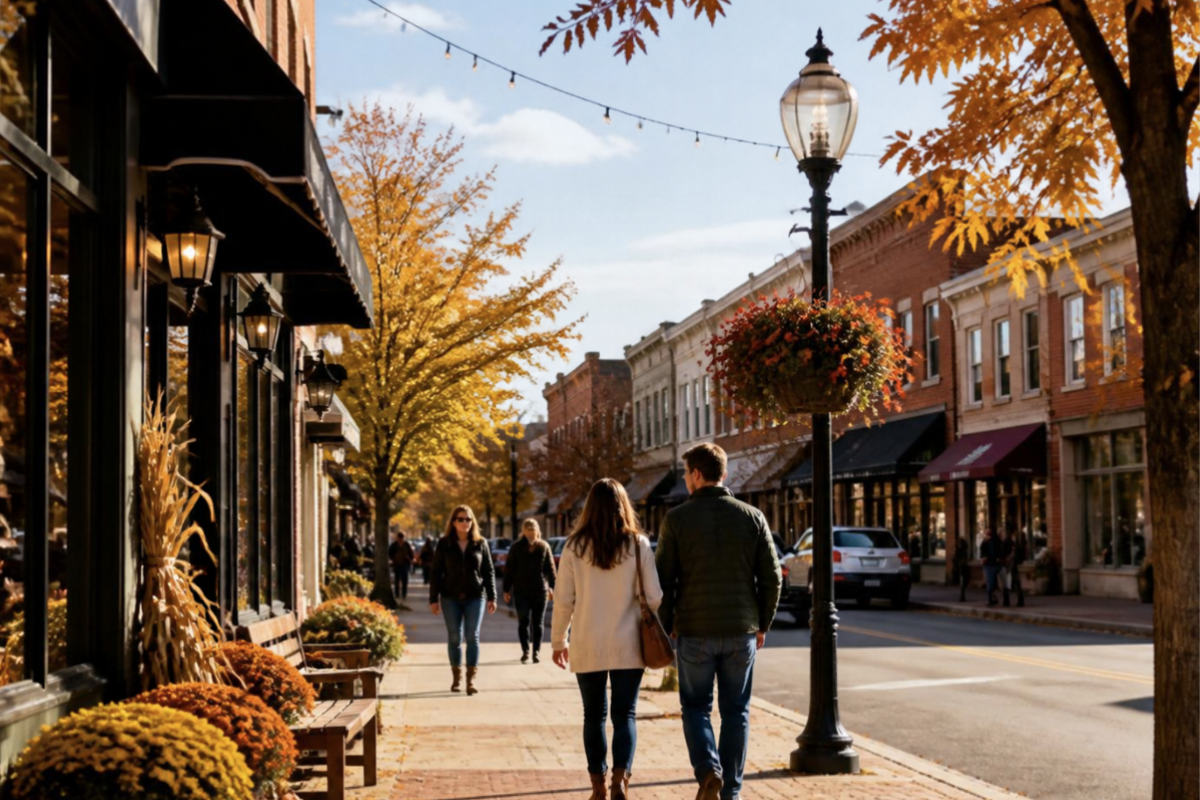
Suffolk has a strong small-town character for a city its size — a historic downtown and agricultural roots that still show up in local events like the Peanut Fest. If community feel matters to you, it's worth spending time in a neighborhood before you commit, not just driving through once.
Frequently Asked Questions
Q: Is Suffolk a practical option if I'm PCSing to Hampton Roads?
A: It can be, depending on where you're stationed. Many parts of Suffolk are within a reasonable drive of Naval Station Norfolk and other Hampton Roads installations, and the city often offers more home and lot size for the money than closer-in cities. Map your commute to your duty station before you choose an area.
Q: How different are Suffolk's neighborhoods from each other?
A: Quite different. Depending on the area, you might find new construction communities with amenities, established older neighborhoods, or large rural lots. It's worth telling me your priorities so I can point you toward the right part of the city.
Q: What should I check before choosing a specific address in Suffolk?
A: School zone, flood zone status, commute time to your workplace, and any HOA rules or dues are the practical basics I'd confirm before writing an offer.
If you're relocating to Hampton Roads and trying to figure out whether Suffolk is the right fit, I'd love to talk through what matters most to you and help you get oriented. Reach out anytime.

GET MORE INFORMATION

Tiffany Mosby
Realtor | Team Leader VA License # 0225251677
Realtor | Team Leader VA License # 0225251677