

Blog > Selling Your Hampton Roads Home in Spring 2027? Start Prepping This Fall
Selling Your Hampton Roads Home in Spring 2027? Start Prepping This Fall
by
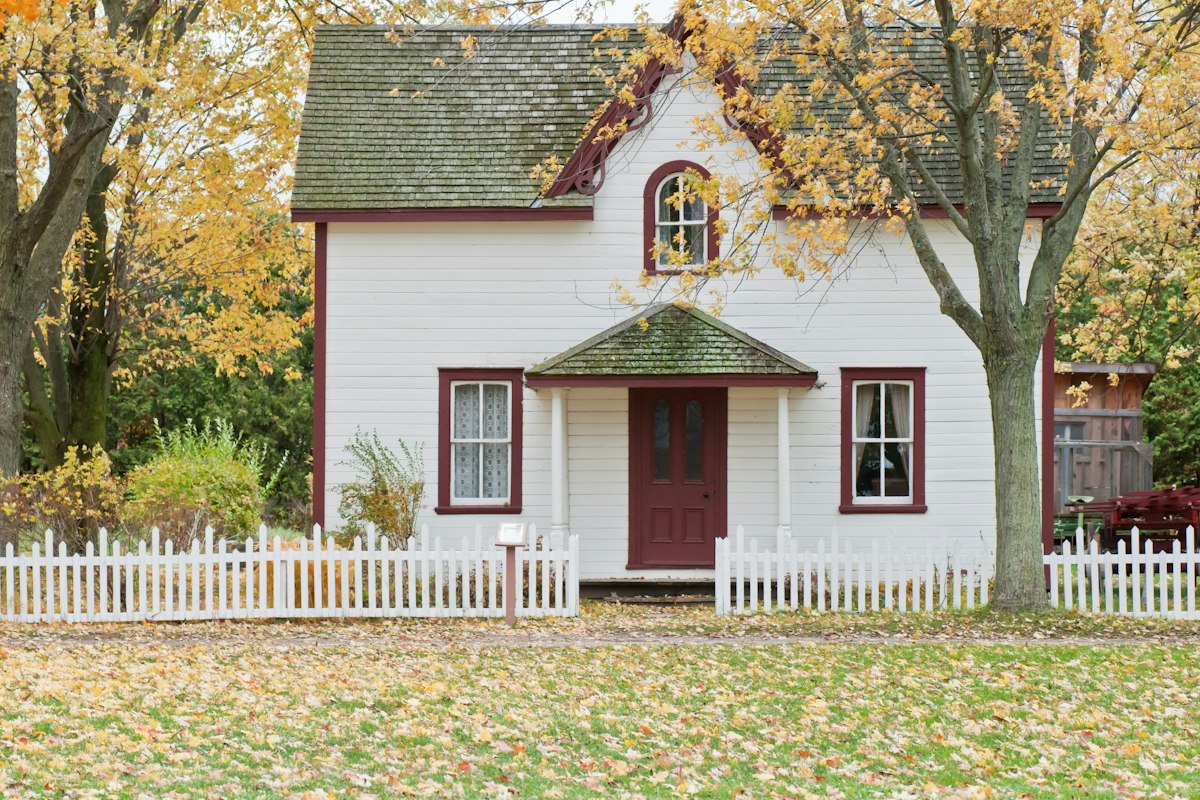
Most sellers decide to list in spring and start getting ready in March. That's about four months too late.
In Hampton Roads, spring is when the market gets busy. Military families start house hunting ahead of the summer PCS season, buyers who sat out the holidays come back, and every seller who waited for warmer weather lists at the same time. The homes that sell cleanly in that crowd are rarely the ones that rushed. They're the ones whose owners used the fall and winter to fix what buyers would have found anyway.
If you're thinking about selling in 2027, here's how to use the next few months.
1. Get your number before you get your hopes up
Before you spend a dollar on updates, find out what your home is likely worth right now and what's actually selling near you. Not an online estimate, a real look at recent sales of similar homes, how long they took, and what buyers asked sellers to fix or credit.
This tells you two things. First, whether selling makes sense on your timeline. Second, which projects are worth doing. A new kitchen rarely pays for itself. A fresh coat of neutral paint, a repaired roof leak, or a serviced HVAC system often does, because those are the items that show up in inspection reports and negotiations.
2. Consider an inspection before the buyer gets one
A pre-listing inspection is worth considering. It costs a few hundred dollars and can save you thousands. It shows you what a buyer's inspector will find, while you still have time to fix it on your schedule and at your price instead of on a buyer's repair timeline.
In our area, a few items come up again and again:
- Moisture in crawl spaces and attics. Coastal humidity is hard on homes. Check vapor barriers, ventilation, and any signs of standing water.
- Roofs and gutters. Fall is a good time to clear gutters and spot problems before winter storms make them worse.
- HVAC age and service history. Buyers ask. A recent service receipt answers the question before it becomes a negotiation.
- Wood rot around windows, doors, decks, and trim.
You don't have to fix everything the inspector finds. But you'll know what's there, you can decide what to repair, and you can price the home honestly.
3. Prepare for VA buyers
Many buyers in Hampton Roads use VA loans, and VA appraisals come with minimum property requirements. The appraiser is looking at whether the home is safe, sound, and sanitary. Common items that get flagged include:
- Peeling or chipped paint, especially on homes built before 1978
- Missing handrails on stairs
- Roof damage or active leaks
- Heating, water, or electrical systems that aren't working properly
- Wood rot or signs of pest damage
None of these are expensive to address ahead of time. They're much more painful when they turn up after you've accepted an offer and the closing date is close. Taking care of them in the fall keeps your home open to the full pool of buyers instead of quietly narrowing it.
4. Gather your paperwork now
Buyers and their agents will ask questions you can answer in five minutes now or in a panic later. Start a folder with:
- Receipts and warranties for major repairs and replacements (roof, HVAC, water heater, appliances)
- Your flood zone information and any elevation certificate, plus your current flood insurance details if you carry it. In Hampton Roads, buyers ask about flood risk early.
- HOA or condo association contact information, so your agent can order the required resale disclosure packet without delay
- Survey, permits for past additions or finished spaces, and any open service contracts
Your agent will walk you through Virginia's required seller disclosures, but having this folder ready makes every step faster.
5. Use winter for the projects that wait well
Some work is better done indoors while it's cold:
- Declutter room by room. Start with closets, garages, and storage areas, the spaces buyers open that you don't.
- Repaint in neutral tones where walls are scuffed or bold.
- Fix the small things you've stopped noticing: sticky doors, dripping faucets, burned-out bulbs, loose cabinet hardware.
- Swap dated light fixtures and hardware if the budget allows. These are inexpensive changes that photograph well.
Save exterior work like landscaping, mulch, and power washing for late winter so it looks fresh when your listing photos are taken.
6. Plan your timeline backward
If you want to be under contract by late spring, work backward from that date. Listing photos need a finished home. Repairs need contractor availability, and contractors get busy in spring too. If you're buying your next home at the same time, or waiting on orders, those dates matter just as much.
A simple timeline looks like this:
- October to November: pricing conversation, pre-listing inspection, repair list
- December to January: repairs, decluttering, paperwork
- February: final touch-ups, exterior refresh, staging plan
- March: photos and listing prep, ready to go live when you are
Ready to see where your home stands?
You don't need to have every answer to start. A 20-minute conversation can tell you what your home might sell for, which repairs are worth doing, and how to time your move around your next chapter, whether that's a PCS, a new job, or just a different home.
Book a time that works for you.
Tiffany Mosby, REALTOR® | Epique Realty | Licensed in Virginia
GET MORE INFORMATION

Tiffany Mosby
Realtor | Team Leader VA License # 0225251677
Realtor | Team Leader VA License # 0225251677