
Blog > Understanding Home Inspections: What Buyers Should Really Look For
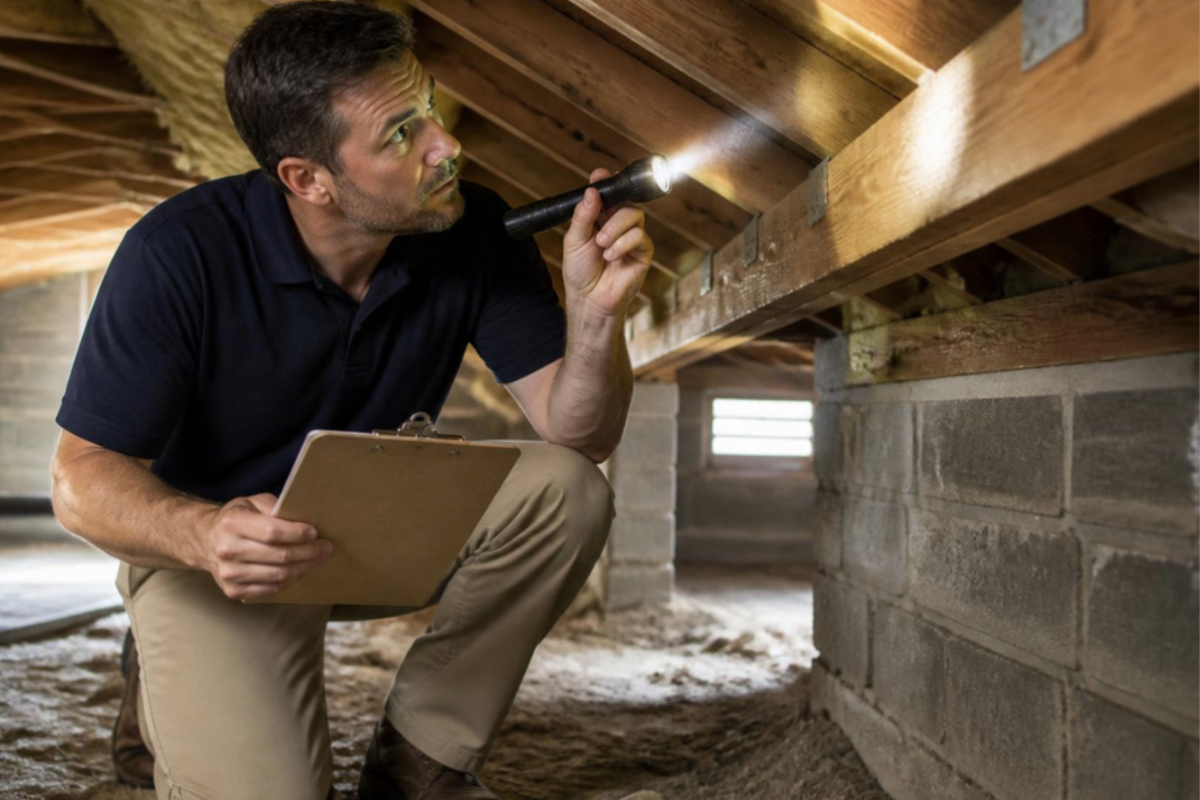
A home inspection is one of the most valuable steps in the buying process, but a lot of buyers aren't sure what to actually expect from it, or how to use the report once they have it. Here's what I walk my buyers through.
What an inspection actually covers
A general home inspection typically looks at the roof, foundation, structure, electrical system, plumbing, HVAC, and major appliances, along with visible signs of water intrusion, pest activity, and safety hazards. It's a visual, non-invasive review — not an exhaustive teardown — so it's meant to flag issues and risk areas rather than catch absolutely everything.
Consider specialized inspections in this area
In Hampton Roads specifically, I often recommend buyers think beyond the general inspection: a termite/wood-destroying insect inspection, a review of drainage and grading, and in some cases a flood zone or elevation certificate review given how much of our area sits close to water. These aren't always included by default, so ask what's covered before you book.
Attend the inspection if you can
Being there lets you see issues firsthand, ask the inspector questions in real time, and get a much better feel for the home's condition than the written report alone. Most inspectors are happy to walk buyers through what they're finding as they go.
How to read the report
Inspection reports can look alarming because they list everything, including very minor items. Learning to distinguish between routine maintenance items, moderate concerns, and true safety or structural issues is important — this is where having an experienced agent to help you interpret the findings really matters.
Negotiating after the inspection
Depending on what's found, you generally have a few options: ask the seller to make repairs, negotiate a credit or price reduction, or in some cases walk away if the issues are significant and unresolved. What makes sense depends on the specific findings, the local market, and your own priorities.
Frequently Asked Questions
Q: What's the difference between an inspection and an appraisal?
A: An inspection evaluates the home's condition for the buyer's benefit. An appraisal estimates the home's value, primarily for the lender. They serve different purposes and are usually done separately.
Q: Should I still get an inspection on new construction?
A: Yes. Even new homes can have installation errors or defects, and an independent inspection gives you a second set of eyes beyond the builder's own process.
Q: What if the inspection finds serious problems?
A: You'll want to talk through your options with your agent quickly — repair requests, credits, or renegotiating are all possible, and the right move depends on the specifics and how badly you want the home.
If you're under contract or about to be, I'm happy to walk you through the inspection process step by step and help you make sense of the report when it comes back. Reach out anytime.
GET MORE INFORMATION

Tiffany Mosby
Realtor | Team Leader VA License # 0225251677
Realtor | Team Leader VA License # 0225251677